
Automotive Automation

Automotive Manufacturing Automation

Velsson provides custom automotive automation for robotic assembly, part handling, conveyor synchronization, multi-station production, MES traceability, and retrofit integration.

Automation is configured around the part, production process, existing equipment, required cycle time, quality requirements, material flow, and the way each station needs to communicate with the next.

Robotic assembly, component handling, and integrated production automation

Automotive Production Automation

Connect the Production Process

Automotive automation may involve one robotic station or a connected production system coordinating part movement, equipment, controls, inspection, traceability, and production data.

Production Constraints

Common Automotive Automation Challenges

Automation projects often begin where part movement, station timing, traceability, or production complexity starts limiting line performance.

Material Handling

Manual Part Handling Limits Throughput

Robotic pick-and-place, machine tending, automated transfer, and controlled part feeding can reduce repetitive loading, unloading, positioning, and movement between stations.

Station Timing

Station-to-Station Transfer Is Limiting Throughput

Conveyor timing, robotic handoffs, part positioning, and equipment communication can be coordinated to improve cycle consistency and line balance.

Traceability

Part History Is Difficult to Track

Data Matrix Code identification, MES integration, parameter tracking, and image capture can connect production information to individual serialized parts.

Production Complexity

High-Mix Programs Require More Flexibility

Multi-program production may require faster parameter changes, configurable stations, digital traceability, and automation that can adapt as part variants and production requirements change.
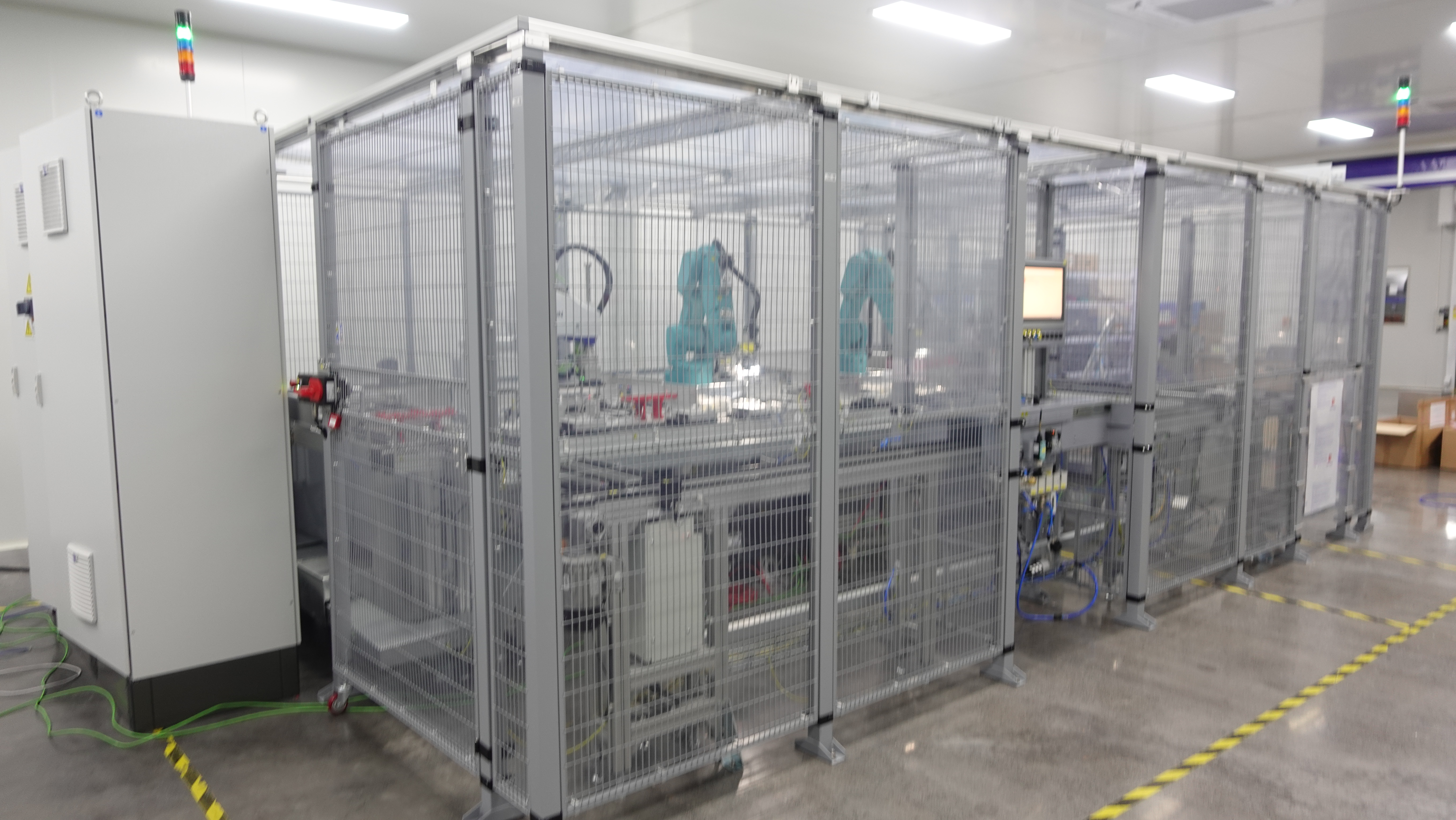
Velsson custom automotive robotic assembly and part handling automation system

Robotic Assembly & Part Handling

Robotic Assembly and Component Handling

Robotic automation can coordinate the repeated physical work around a component, including part presentation, pickup, positioning, machine loading, assembly operations, inspection handoffs, and transfer to the next station.

Velsson evaluates the complete production sequence so the robot, fixture, part-handling method, surrounding equipment, controls, and cycle requirements work as one process.

  • Robotic pick-and-place handling
  • Machine loading and unloading
  • Component positioning and orientation
  • Assembly and machine-tending applications
  • Fixture and station integration
  • Inspection and verification integration
  • Automated transfer to downstream processes

Multi-Station Automation

Multi-Station Automation & Conveyor Synchronization

Production performance depends on more than individual machine speed. Workpiece transfer, robotic operation, conveyor timing, station communication, and cycle alignment have to remain synchronized across the line.

Part Infeed Present and orient components for the process
→
Robotic Handling Pick, place, load, position, and transfer
→
Production Stations Coordinate processing, assembly, and inspection
→
Controlled Transfer Synchronize movement to the next operation
1

Station-to-Station Transfer

Maintain controlled workpiece movement between automated production stations.

2

Conveyor Synchronization

Coordinate material movement and conveyor timing with robotic and production operations.

3

Cycle & Takt Stability

Design station handoffs around target cycle time, line balance, throughput, and takt requirements.

4

Equipment Communication

Coordinate compatible equipment through controls and equipment-to-equipment communication interfaces.

EQ2EQ communication: Equipment-to-equipment communication can support coordinated conveyor modules, station handoffs, and scalable line architecture when compatible interfaces are available.

Digital Production Control

MES Integration & Serialized Part Traceability

Automotive manufacturing programs may require production parameters, process results, image records, and equipment information to remain connected to a specific part throughout the production process.

Velsson automation systems can incorporate compatible MES and traceability requirements into the automation architecture.

  • Data Matrix Code (DMC)-based part identification
  • MES parameter integration
  • Serialized process records
  • Process parameters tied to individual part IDs
  • Image capture linked to part records
  • Production history for review and root-cause analysis
1
Identify the Part
Read the Data Matrix Code or required serialized identifier.
2
Load Production Parameters
Apply the appropriate process information for the identified unit or program.
3
Track the Process
Record relevant station, parameter, inspection, and production information.
4
Maintain the Production Record
Connect available process history, image records, and results to the serialized part.

Flexible Production Architecture

Automation for Existing Lines and Changing Programs

Automotive production systems have to support today's requirements without preventing tomorrow's expansion, new stations, new programs, or revised production parameters.

Retrofit Automation

Upgrade Existing Production Lines

Add robotic handling, transfer systems, controls, traceability, inspection integration, or additional production stations while retaining compatible equipment and infrastructure.

Retrofit projects are evaluated around current equipment, interfaces, floor space, cycle requirements, safety requirements, and the production changes the plant needs to achieve.

High-Mix Manufacturing

Support Multiple Programs and Part Variants

Configurable automation can support production environments where part variants, process parameters, or programs change across the same line.

MES-driven parameter updates, station-level configuration, and serialized traceability can help maintain process control as production requirements change.

Specialized Automotive Automation

Part Transfer and Material Handling Technologies

Some automotive production applications require specialized technologies for press-line transfer, stamped components, sheet handling, magnetic transport, and high-speed material movement.

Transfer & Stamping

Press-Line & Transfer Automation

Automation for multi-station stamping, press-to-press handling, sheet feeding, separation, robotic press tending, material transfer, and end-of-line flow.

Magnetic Material Handling

Magnetic Conveyor & Part Handling

Magnetic transport, destacking, separation, positioning, conveyor integration, and robotic handling for stamped and ferromagnetic components.

Automation Project Evaluation

Information That Helps Define the Project

A useful technical discussion starts with the current production process and the result the automation needs to achieve.

These details help Velsson evaluate system compatibility, integration requirements, and the appropriate automation approach.

Current production configuration
Number of stations
Part type and material
Target cycle time or takt
Current handling method
Existing robotics and equipment
MES or traceability requirements
Expansion or retrofit constraints

Automotive Automation Questions

Questions About Automotive Manufacturing Automation

What automotive manufacturing processes can Velsson automate?
Velsson supports automotive automation applications including robotic assembly, pick-and-place handling, machine tending, station-to-station transfer, conveyor synchronization, inspection integration, multi-station automation, MES-connected traceability, and retrofit production automation.
Can Velsson integrate automation into an existing production line?
Yes. Velsson can evaluate retrofit automation for existing production environments. Integration depends on the equipment, controls, interfaces, floor space, safety requirements, cycle requirements, and the process being automated.
What is multi-station automotive automation?
Multi-station automation coordinates workpiece movement, robots, conveyors, production equipment, controls, and station timing across several connected manufacturing operations.
Can Velsson support MES integration and serialized part traceability?
Velsson automation systems can incorporate compatible MES connectivity, Data Matrix Code identification, production parameters, serialized part records, process data, and image capture when these functions are required by the project.
Can automotive automation support high-mix production?
Automation can be configured for production environments that require multiple programs, part variants, parameter changes, or station-level flexibility. The specific architecture depends on the manufacturing process and available equipment interfaces.
How does conveyor synchronization affect automotive production?
Conveyor synchronization helps coordinate part movement with robotic operations and production stations. Consistent transfer timing can support line balance, cycle stability, takt alignment, and predictable throughput.
Does Velsson provide press-line and stamping automation?
Velsson supports specialized transfer and stamping automation for applications including multi-station press lines, press-to-press handling, sheet feeding, material transfer, robotic press tending, and related production processes.
Does Velsson provide magnetic conveyor and part handling systems?
Velsson supports magnetic conveyor and material-handling applications involving ferromagnetic components, stamped materials, part separation, destacking, positioning, robotic pickup, and automated transfer.

Automotive Automation Evaluation

Discuss Your Production Automation Requirements

Share the part, current production configuration, number of stations, target cycle time, existing equipment, traceability requirements, and the production constraint you need to address.

Search Velsson