
Magnetic Conveyor & Part Handling

Magnetic Conveyor & Part Handling Systems

Magnetic conveyor and part handling systems for controlled movement, positioning, and transfer of ferromagnetic sheet metal, stamped components, and formed metal parts.

Velsson integrates magnetic transport into automotive and industrial automation where conventional conveying, robotic handling, or manual transfer does not provide the required part stability or positioning.

Magnetic sheet-metal transfer and automated part handling

Magnetic Material Handling

Applications Across Automotive and Metal Manufacturing

Magnetic transport can be incorporated where ferromagnetic parts need to remain controlled during conveying, transfer, separation, positioning, or robotic pickup.

Part Transfer Requirements

Where Magnetic Handling Is Useful

Magnetic conveyor systems are most useful where part geometry, orientation, transfer path, or production speed makes conventional handling difficult or inconsistent.

Stamped Components

Parts Shift During Transfer

Magnetic retention can help stabilize compatible ferromagnetic components during movement between production operations.

Robotic Pickup

Pickup Position Varies From Cycle to Cycle

Controlled positioning before robotic pickup can improve the repeatability of automated loading, unloading, and transfer.

Sheet Handling

Sheet Metal Needs Controlled Separation and Movement

Magnetic handling can support destacking, singulation, transfer, and positioning of compatible sheet-metal components.

Existing Equipment

The Current Conveyor Does Not Control the Part Well Enough

Magnetic transport can be evaluated as part of a retrofit when existing conveyor or transfer equipment cannot maintain the required part position or movement.
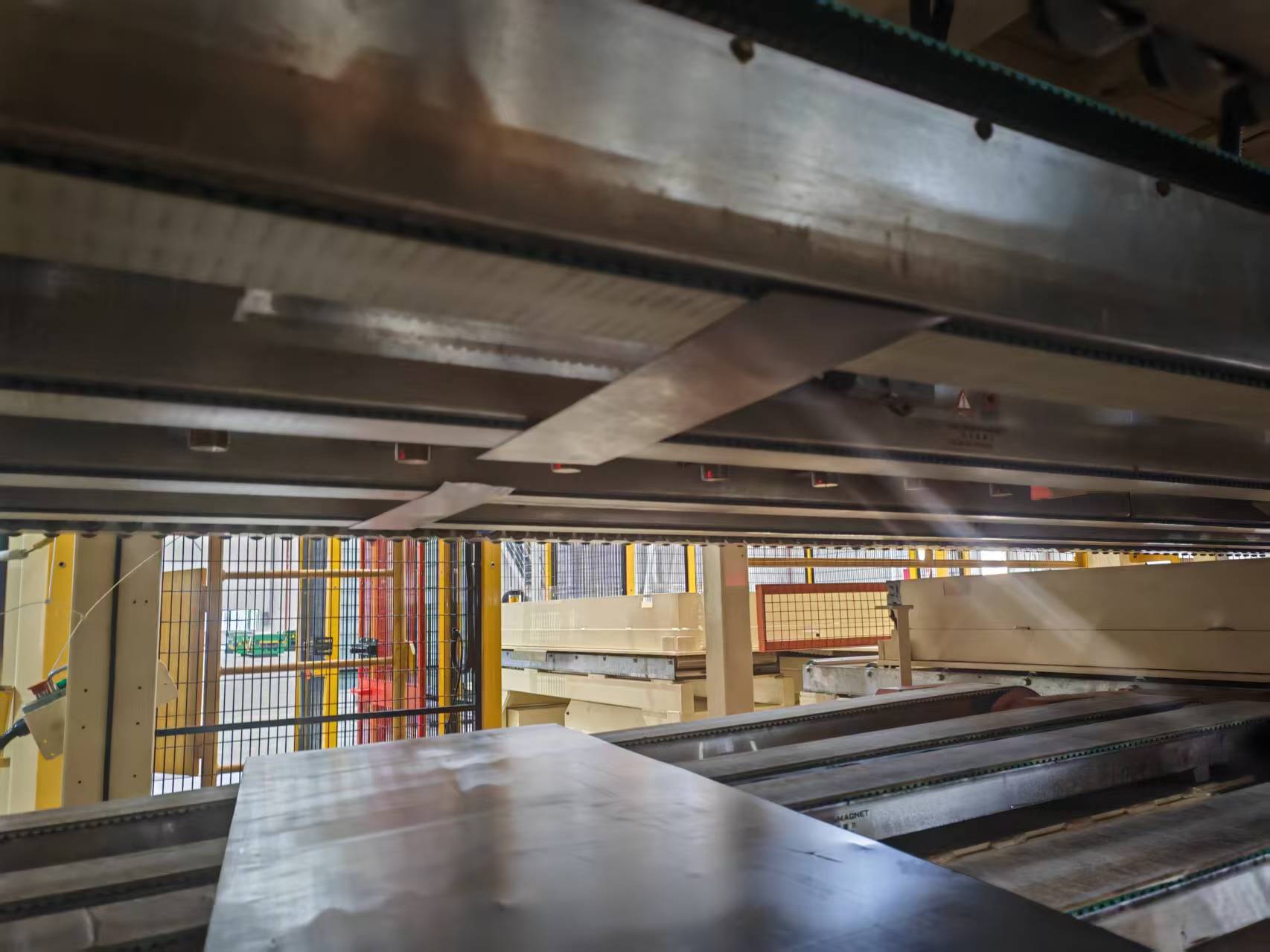
Magnetic conveyor transferring sheet metal for automated automotive part handling

Sheet Metal & Stamped Parts

Magnetic Transfer for Sheet Metal and Stamped Components

Automotive stamping and forming operations often require parts to move from one process to the next without changing orientation, slipping during transfer, or arriving inconsistently at the next station.

Magnetic conveyor systems can hold compatible ferromagnetic components during transport and support controlled movement through automated production environments.

  • Stamped steel part transfer
  • Sheet-metal conveying
  • Press-line material movement
  • Part positioning before downstream operations
  • Transfer between production stations
  • Integration with robotic handling

Production-Line Integration

Magnetic Handling Within the Production Sequence

The conveyor is one part of the handling system. Reliable production depends on how parts are introduced, controlled, positioned, detected, transferred, and released for the next operation.

Part Entry Receive stamped or formed components from the previous process
→
Magnetic Transfer Maintain controlled movement along the required transfer path
→
Position & Detect Confirm part location for the next automated operation
→
Next Process Release or present the part for robotics, inspection, or assembly

Magnetic Transfer Hardware

Transfer Rail Systems for Controlled Part Movement

Magnetic rail systems provide a defined transfer path for compatible ferromagnetic parts while supporting controlled positioning within an automated production cell or conveyor system.

Rail length, mounting, magnetic configuration, transfer direction, part geometry, required holding force, and surrounding equipment are evaluated for the application.
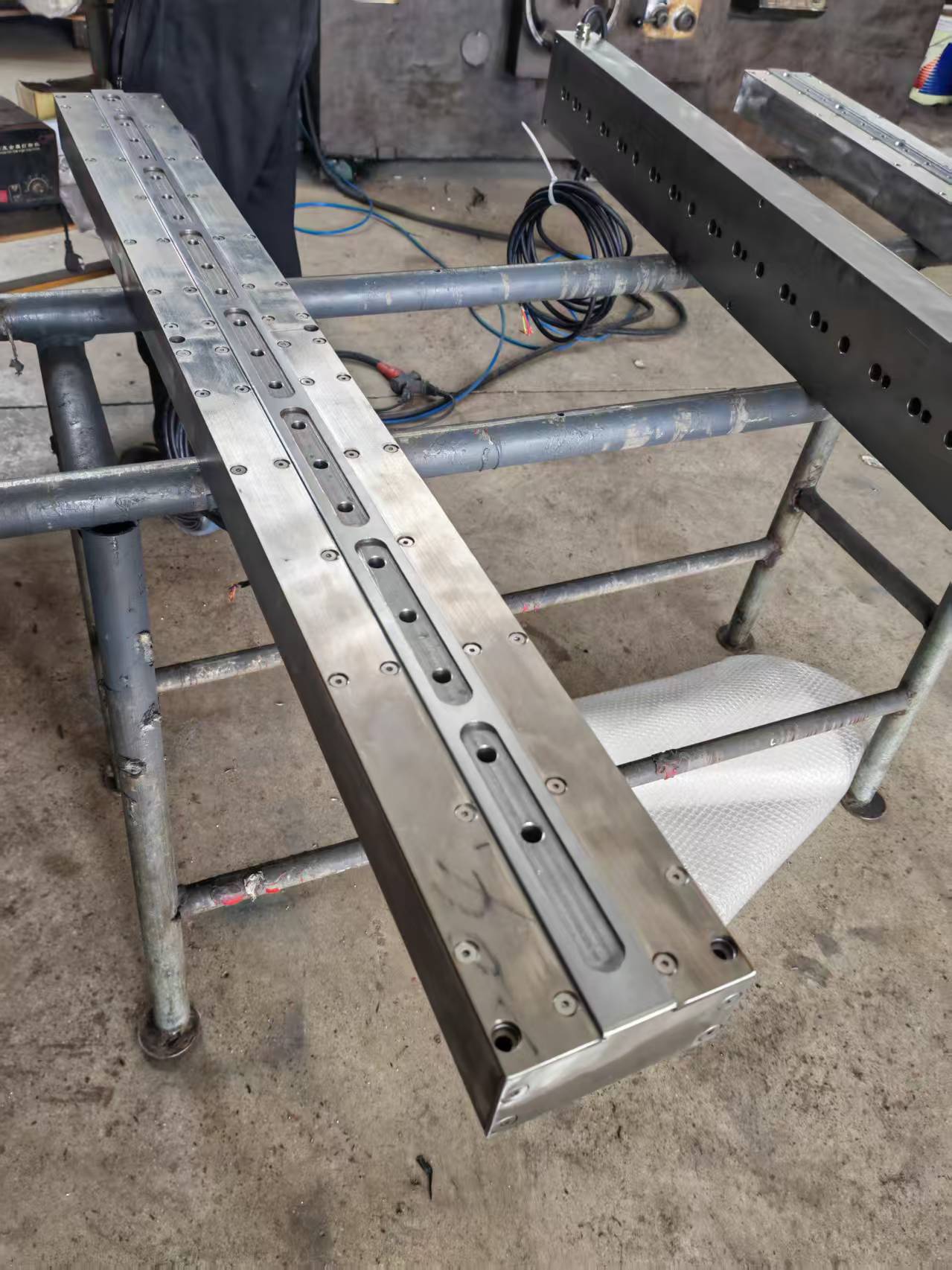
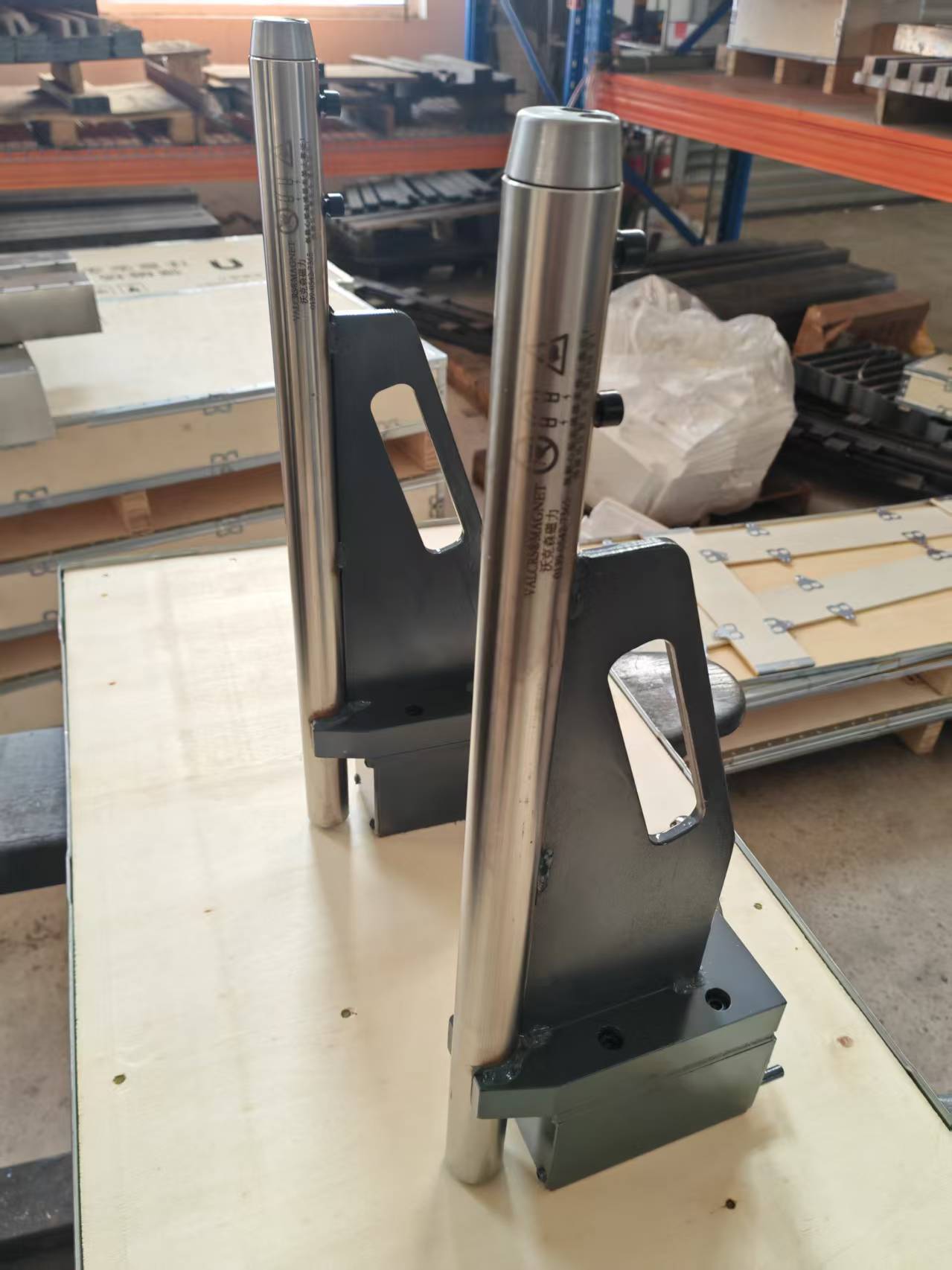
Magnetic part transfer rail system for automated handling of ferromagnetic components
Magnetic part positioning fixture for controlled alignment of ferromagnetic components

Positioning & Robotic Handling

Present the Part Where the Robot Expects It

Robotic pickup becomes more reliable when the component arrives in a known position and orientation.

Magnetic positioning and transfer can be used alongside compatible robotic handling systems to support repeatable pickup, movement, and handoff between automated operations.

  • Part positioning before robotic pickup
  • Controlled alignment of ferromagnetic components
  • Pick-and-place applications
  • Machine loading and unloading
  • Transfer into inspection or assembly stations
  • Vacuum and magnetic handling coordination where appropriate

Controls & Detection

Monitor Part Position and Magnetic Transfer

Conveyor controls and part detection can be integrated with the handling system so transfer status and part position can be coordinated with surrounding automation.
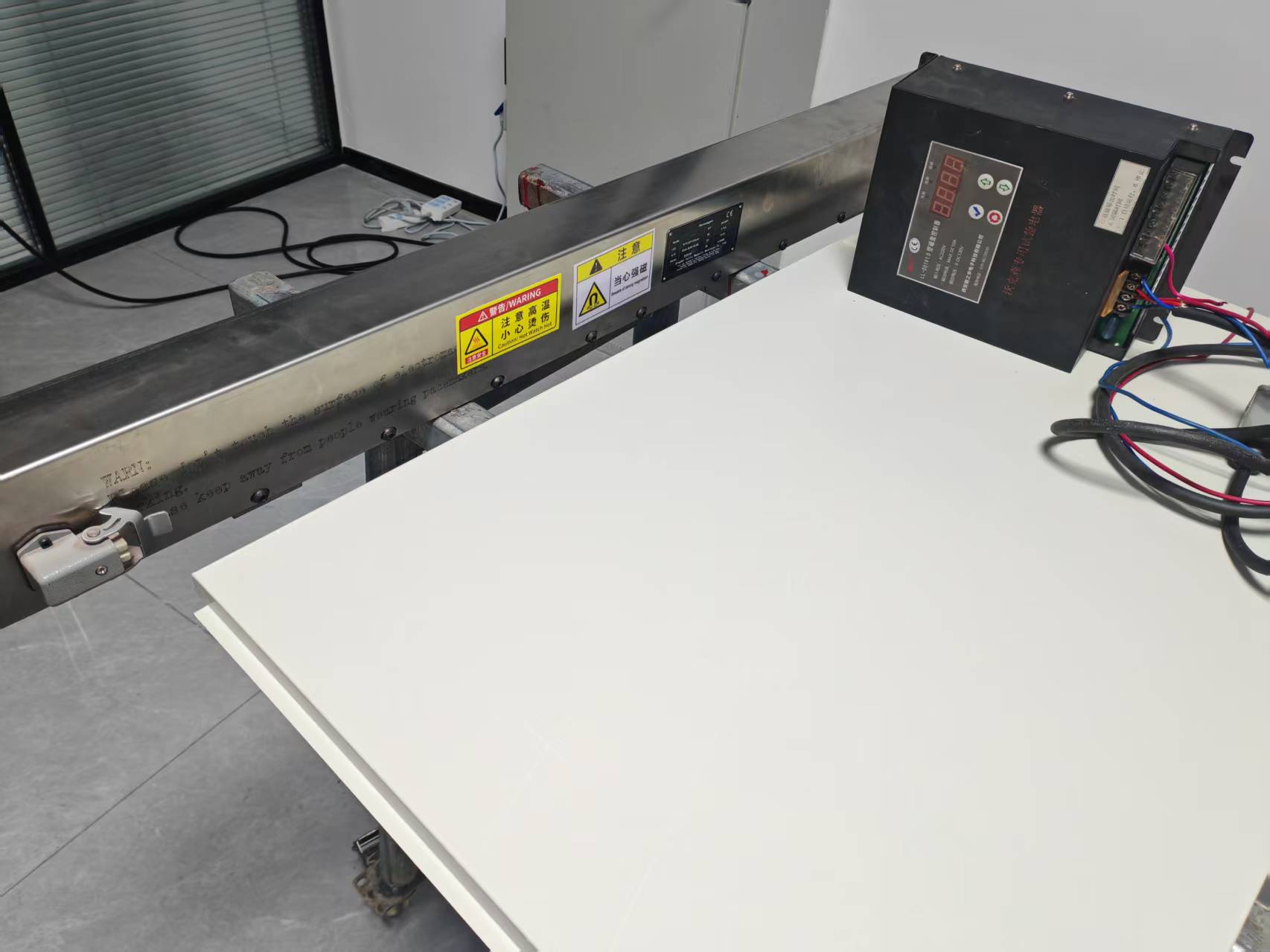
Magnetic conveyor control system for automated transfer and handling of ferromagnetic parts

Magnetic Conveyor Controls

Dedicated controls can support conveyor operation, magnetic activation, system status, and coordination with surrounding automation equipment.
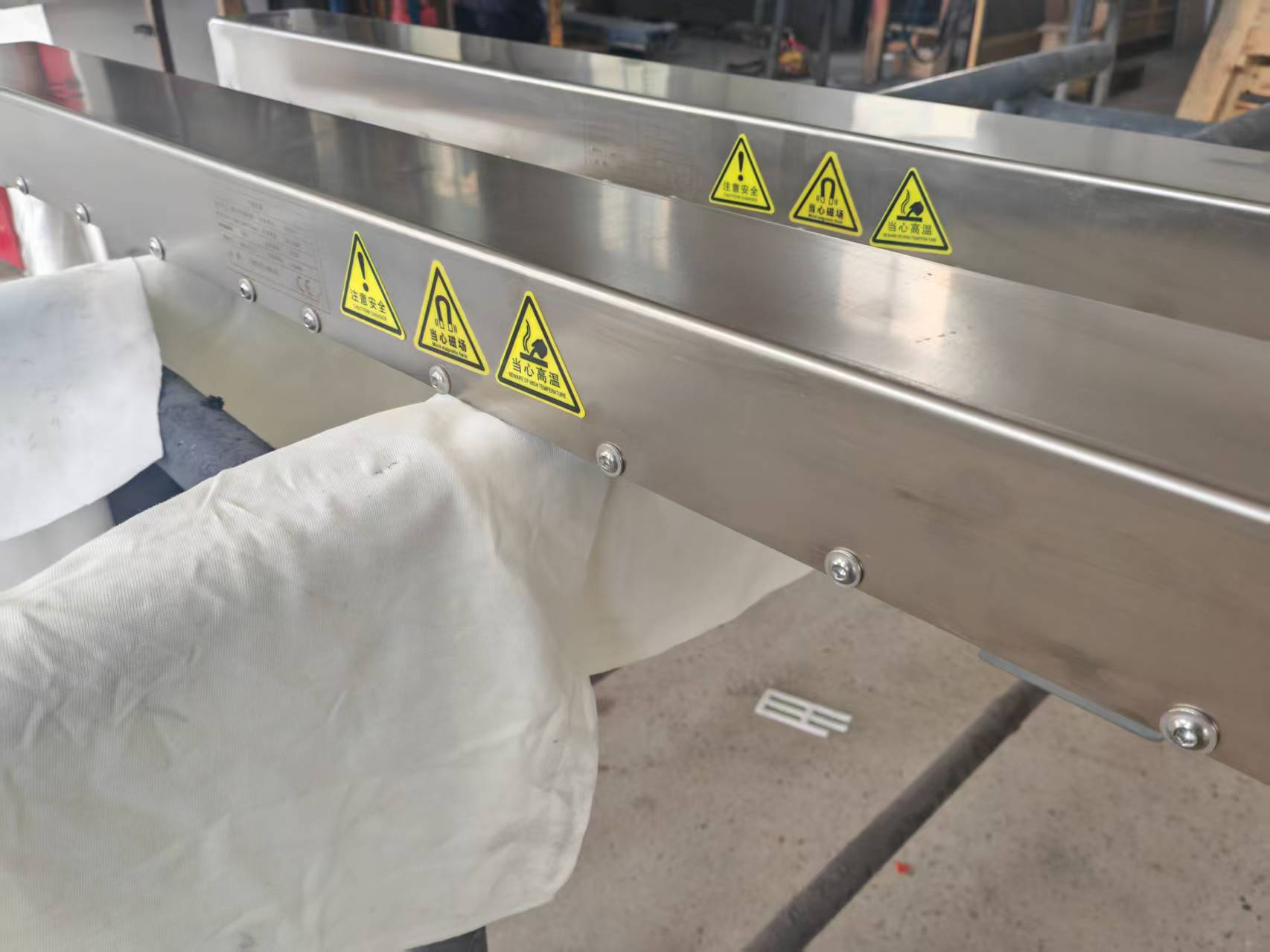
Magnetic conveyor sensor system for detecting and monitoring ferromagnetic parts during automated transfer

Part Detection & Position Monitoring

Sensors can be incorporated to confirm part presence, monitor position, and support controlled handoff to the next production operation.

Common Applications

Magnetic Part Handling Applications

Stamped Metal Transfer

Move compatible stamped steel components between presses, conveyors, robotic cells, and downstream production operations.

Sheet Metal Destacking

Support separation and controlled presentation of ferromagnetic sheets or blanks for automated loading.

Press-Line Automation

Integrate magnetic transport with stamping, transfer, feeding, and end-of-line material handling.

Robotic Pick-and-Place

Present and position components for repeatable robotic pickup and transfer.

Inspection & Assembly

Move and position parts for compatible inspection, verification, assembly, or processing stations.

Material Separation

Support singulation, separation, and controlled movement of compatible ferromagnetic components.

Retrofit Automation

Magnetic Conveyor Integration for Existing Production Lines

Magnetic transport can be evaluated as part of a retrofit when an existing production line needs better part control, more consistent positioning, improved robotic pickup, or a revised material transfer path.

Existing Conveyors

Evaluate where magnetic transfer can replace or supplement current conveyor handling.

Robotic Cells

Add magnetic positioning or transfer ahead of robotic pickup, loading, inspection, or assembly.

Press & Stamping Lines

Integrate magnetic handling with compatible stamping, feeding, and transfer equipment.

Production-Line Modernization

Add controls, sensing, transfer rails, or material-handling components without automatically replacing the full production line.

Technical Evaluation

Information Needed for a Magnetic Handling Application

Magnetic conveyor selection depends on the component, material, movement, cycle requirement, surrounding equipment, and available installation space.

Providing the basic application data allows Velsson to evaluate the handling method and integration requirements.

Part dimensions and weight
Material type
Current conveying method
Required cycle rate
Transfer distance
Part orientation requirements
Existing conveyor or robotics
Available floor space
Pickup or release requirements
Safety and compliance requirements
Magnetic handling suitability depends on the magnetic properties of the component material as well as part geometry, weight, surface condition, transfer direction, required holding force, and production rate.

Magnetic Conveyor Questions

Magnetic Conveyor & Part Handling FAQs

What is a magnetic conveyor?
A magnetic conveyor uses magnetic force to hold and move compatible ferromagnetic parts along a defined transfer path. In manufacturing, magnetic conveyors can be used for stamped components, sheet metal, formed steel parts, and other magnetically responsive materials.
What types of parts can be moved with magnetic conveyors?
Magnetic conveyors are used with ferromagnetic components such as many steel stampings, formed metal parts, blanks, and other magnetically responsive workpieces. Suitability depends on material properties, geometry, weight, surface condition, and the required transfer method.
Can magnetic conveyors be used in automotive stamping lines?
Yes. Magnetic transport can support stamped-part transfer, sheet-metal handling, press-line material movement, robotic pickup, positioning, and transfer between compatible production stations.
Can magnetic part handling be integrated with robots?
Yes. Magnetic transfer and positioning can be coordinated with compatible robotic systems to improve part presentation and support repeatable pickup, loading, unloading, inspection, or assembly.
Can magnetic handling work with vacuum systems?
Magnetic and vacuum handling technologies can be evaluated together when the part, process, and material require more than one handling method. The appropriate approach depends on the application.
Can a magnetic conveyor be added to an existing line?
Existing conveyors, robotic cells, press lines, and other production equipment can be evaluated for retrofit integration. Compatibility depends on layout, controls, available interfaces, transfer path, safety requirements, and production objectives.
What information is needed to evaluate a magnetic conveyor system?
Useful information includes part dimensions and weight, material type, current handling method, required throughput, transfer distance, orientation requirements, existing equipment, available installation space, pickup and release requirements, and applicable safety requirements.

Magnetic Part Handling Evaluation

Send Us the Part and Transfer Requirements

Share the component material, dimensions, weight, current handling method, required transfer distance, cycle rate, and the production step the part needs to reach. Velsson can evaluate the appropriate magnetic handling and conveyor integration approach.

Search Velsson